Portland Police Public Records Project

Highlights and potential violations of Oregon’s privacy laws that emerged from the public records we obtained from the Portland Police

In December of 2024, The ACLU of Oregon, in partnership with Don’t Shoot PDX — an arts and education organization that promotes social justice and civic participation — submitted three public records requests to the City of Portland, the Oregon Department of Justice (ODOJ), and the Federal Bureau of Investigation (FBI). The requests seek to identify how state and local law enforcement agencies collaborate with federal law enforcement to monitor and surveil Oregonians engaged in racial justice and other forms of lawful advocacy and protest.

After receiving the files and combing through thousands of public records from the City of Portland, we found many examples of potential violations of ORS 181A.250 — an Oregon law that prohibits police from collecting information about people’s political, religious, or social activities unless it’s directly tied to a criminal investigation.

Among the potential violations, we found that between 2020 and 2021, Portland Police monitored events organized across various social justice groups and distributed a list of these events to both Oregon and federal law enforcement agencies.

Below are highlights and patterns from the Portland Police’s public records.

Monday, July 27, 2026

The public records received from the Portland Police are available to view here.

Last updated on July 27, 2026 at 12 P.M.

June 19, 2026

June 18, 2026

June 17, 2026

June 16, 2026

June 15, 2026

June 14, 2025

November 26, 2025

The City of Portland shares the final batch of public records.

October 23, 2025

The City of Portland shares the first batch of public records.

October 21, 2025

City of Portland issues a partial refund and waives additional fees for a delay in processing and reviewing the public records request.

December 16, 2024

The ACLU of Oregon and Don’t Shoot PDX submit two additional public records requests to the City of Portland and the Federal Bureau of Investigation (FBI).

Request sent to City of Portland
Request sent to Portland FBI Field Office

December 12, 2024

The ACLU of Oregon and Don’t Shoot PDX submit an initial public records request to the Oregon Department of Justice (ODOJ).

Request sent to TITAN Fusion Center

Related Content


Press Release
Dec 18, 2024
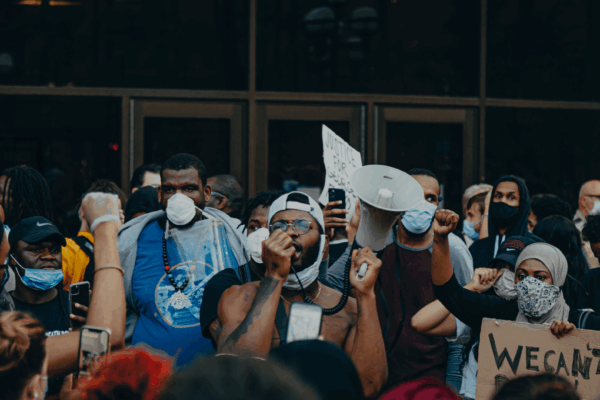
groups of protesters in front of glass doors.
  • Law Enforcement Accountability|
  • +2 Issues

The ACLU of Oregon Seeks Records About the Use of Portland JTTF, TITAN Fusion Center, and Portland FBI Field Office to Target Protesters and Racial Justice Advocates

The ACLU of Oregon in partnership with Don’t Shoot PDX submitted three public records requests to the City of Portland, the Oregon Department of Justice, and the FBI.
Press Release
Aug 19, 2024
Surveillance
  • Privacy and Technology|
  • +1 Issue

ACLU of Oregon Sues Medford Police Department for Illegally Spying on People

Public records show that for years, Medford Police violated Oregon law by collecting and storing information on people and groups with no suspicion of criminal activity.
Court Case
Oct 19, 2026
Teressa Raiford
  • Racial Justice|
  • +3 Issues

Don’t Shoot Portland v. Oregon Department of Justice

Don’t Shoot Portland and ACLU of Oregon are two Oregon nonprofits dedicated to advocating for racial justice, police accountability, and the right to protest. In 2024, both organizations submitted public records requests to illuminate how Oregon TITAN Fusion Center (OFTC) works with other law enforcement agencies to monitor and surveil Oregonians engaged in lawful advocacy and protest — including for racial justice. The OTFC is a federally funded domestic surveillance program housed under the Oregon Department of Justice’s Criminal Intelligence Unit that works closely with federal law enforcement agencies like the increasingly notorious Department of Homeland Security (DHS). The OTFC operates as part of a vast nationwide network of about 80 similar fusion center programs nationwide. For two decades, OTFC has operated with little oversight or transparency while purporting to collect, analyze, and disseminate information about “terrorism” and crime in Oregon. However, the OTFC, like other fusion centers across the country, has a checkered history of abuses. ODOJ withheld nearly 2000 records from its response — largely the ones it said the ACLU would be “most interested in” — based on its “Third Agency Rule,” which it said requires OTFC to keep records it receives from other agencies confidential. The Petition argues that rule cannot displace ODOJ’s obligations under the Public Records Law. The disputed records include “Criminal Intelligence Unit Bulletin[s]” issued by the Portland Police Bureau that name Don’t Shoot Portland (sometimes referred to as Don’t Shoot PDX) and “Criminal Intelligence Unit Protest [and] Significant Event Information Briefs” that name Sean Kealiher, a founding organizer of Don’t Shoot PDX’s community action plan who was killed in 2019 at age 23. The existence of the records suggests additional evidence of OTFC’s improper surveillance of people and groups engaged in protected political and noncriminal activities. Plaintiffs urge the Attorney General to reject ODOJ’s reliance on the Third Agency Rule as blanket authority to withhold records from the public. The people of Oregon deserve transparency about how state, local, and federal police cooperation affects their rights and freedoms.