
Since early this month, Renee Nicole Good has been on my mind and in my heart, as I am sure Good has been for many ACLU of Oregon community members.
Good was killed by ICE agent Jonathan Ross on January 7, 2026. Video footage shows Ross shooting Good multiple times. The shooting occurred after Good said to him, “I’m not mad at you.” The video footage also appears to show Ross saying to Good, “fucking bitch.”
When Ross shot her, Renee was with her wife, Becca Good. Representatives for the Goods said that Renee and Becca came across the ICE operations on their way home from dropping off their child at school, and they decided to stop and “observe with the intention of supporting and helping their neighbors.”
Many people have noted the apparent misogyny and homophobia of Ross’s killing of Good.
Indeed, through their own words and actions, the Trump administration has been clear about its through line and organizing principle: it is to buttress a system of white male supremacy with billionaires in control. This is a system prejudiced and hateful not just against women and LGBTQ+ people but also against people of color, low-income people, disabled people, and other historically-disenfranchised groups.
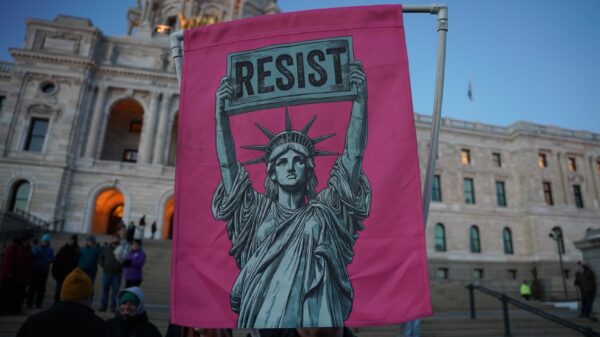
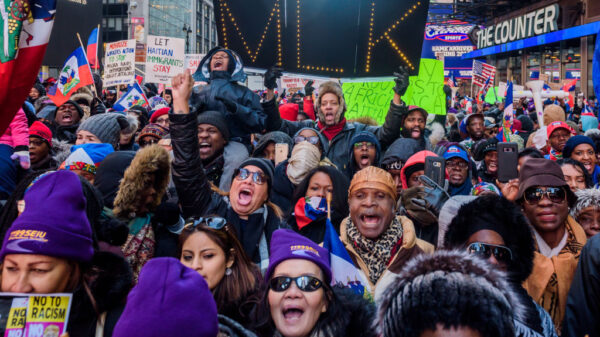
This is why solidarity is the way everyday people can and must say “NO” to the Trump administration’s attacks against our country.
To understand what solidarity is and how it works, I recommend reading Solidarity: The Past, Present, and Future of a World-Changing Idea, by Astra Taylor and Leah Hunt-Hendrix. In an article about their book, Taylor and Hunt-Hendrix wrote:
Real solidarity (or what we call transformative solidarity) involves expanding one’s sense of self-interest; it creates new communities across social distinctions, class divides, and militarized borders. It names the actions of exploited and marginalized groups as they come together to build power...
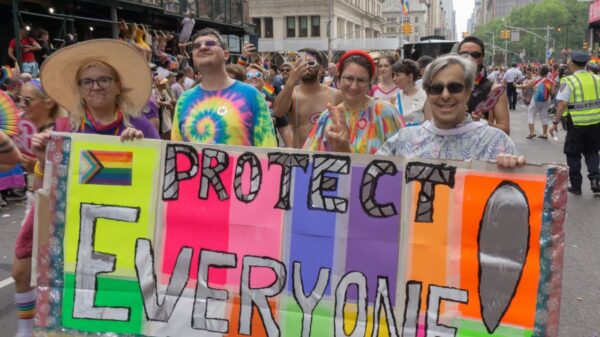
Solidarity, however, isn’t only about helping people forge new identities around their shared experiences. It also builds bridges between people who come from different backgrounds and occupy different positions. It often involves people who are not themselves the direct targets of oppression, but who choose to join the struggle for justice nevertheless.
When she decided to observe ICE’s action, Renee was not the direct target of ICE. But, she chose to join the struggle for justice nevertheless.
Renee Good stood in solidarity with her immigrant and refugee neighbors. This was her act of courage and care for her neighbors and our country. Each of us can honor Renee by continuing to show up for all our neighbors and our democracy with courage, intentionality, and community care.
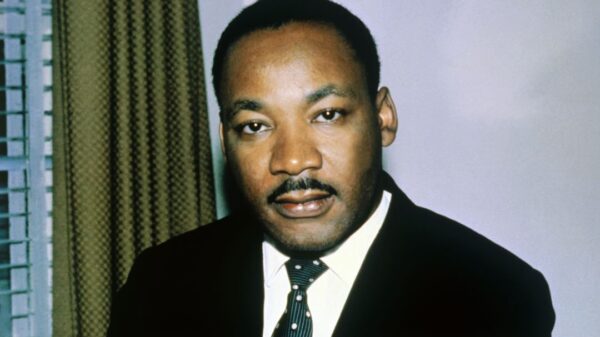
As well, during this week that started with MLK Day, let us continue honoring Dr. Martin Luther King, Jr. each and every day by remembering his calls for racial equality, peace, and economic justice and his solidarity statement: “Let us develop a kind of dangerous unselfishness.”
Suggested Readings
The White Supremacist Regime: How the Trump Administration Is Pushing Authoritarianism in the U.S. - Ms. Magazine