
Privacy and Technology
Privacy and technology constitutional rights protect us from unwarranted government spying.

What you need to know
1986
The federal law protecting your electronic information was passed in 1986, making it older than the World Wide Web.
Fourth Amendment
The government argues that the Fourth Amendment protects information that you keep in your desk, but not information that you keep online, like old emails or pictures.
NSA
In order to carry out mass surveillance, the National Security Agency has weakened the security of the communications systems that we all rely on.
“The progress of science in furnishing the Government with means of espionage is not likely to stop with wiretapping. Ways may someday be developed by which the Government, without removing papers from secret drawers, can reproduce them in court, and by which it will be enabled to expose a jury the most intimate occurrences of the home…Can it be that the Constitution affords no protection against such invasions of individual security?”
— Louis Brandeis
U.S. Supreme Court Justice
Olmstead v. United States, (1928)
The word “privacy” means many different things to different people. One widely accepted meaning is “the right to be let alone,” as it was described by former U.S. Supreme Court Justice Louis Brandeis.
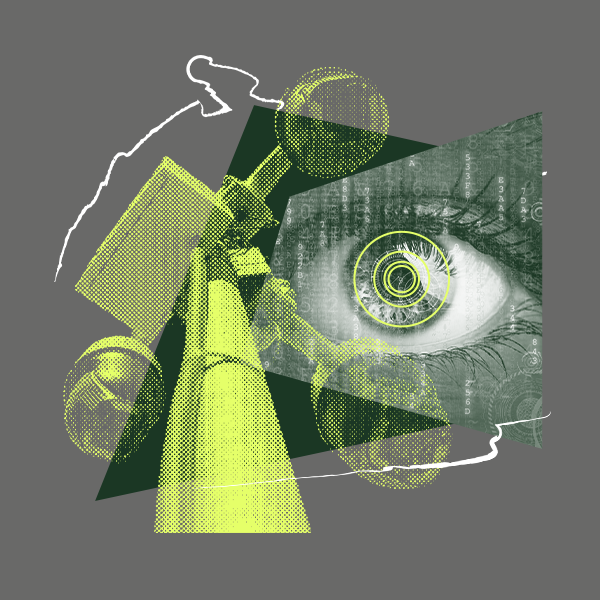
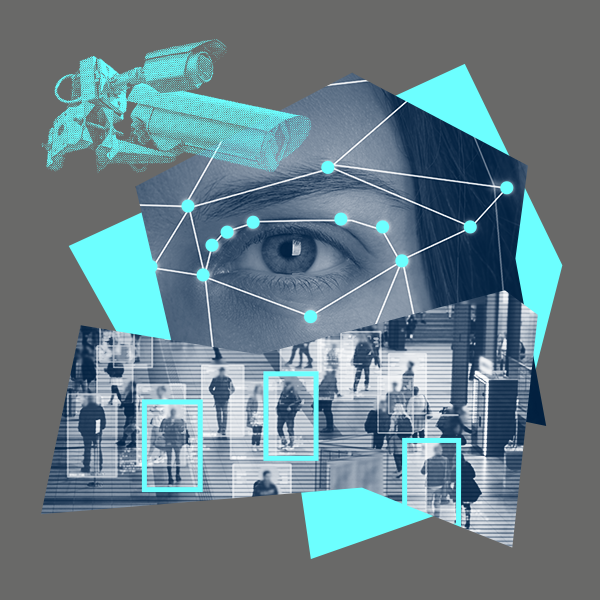
The United States is at risk of turning into a full-fledged surveillance society. From using the telephone to seeking medical treatment to applying for a job or sending email over the internet, our right to information privacy is in peril. Our personal and business information is being digitized through an ever-expanding number of computer networks in formats that allow data to be linked, transferred, shared and sold, usually without our knowledge or consent. Employers and schools are turning to drug testing policies without any reasonable suspicions of illegal drug use. DNA has the power to disclose not only private personal and medical information about any individual but also blood-relatives. The use of DNA is expanding as a tool for crime-solving and has also been used to exonerate the innocent. The same technological advances that have brought enormous benefits also make us more vulnerable than ever before to unwanted snooping.
As technology provides new ways to gather information and databases proliferate, the need for privacy protections becomes more urgent. The ACLU is a national leader in working to guarantee that individuals may determine how and when others can gain access to their personal information.
The Latest

2023 at the ACLU: Our Year in Stories

Government Playing a Dangerous Game With Drone Cybersecurity


Take Action
Today, years of hard-fought civil liberty protections are under threat.
To influence lawmakers, we need everyone to get involved.
Stay Informed
Sign up to be the first to hear about how to take action.
By completing this form, I agree to receive occasional emails per the terms of the ACLU’s privacy statement.
By completing this form, I agree to receive occasional emails per the terms of the ACLU’s privacy statement.